
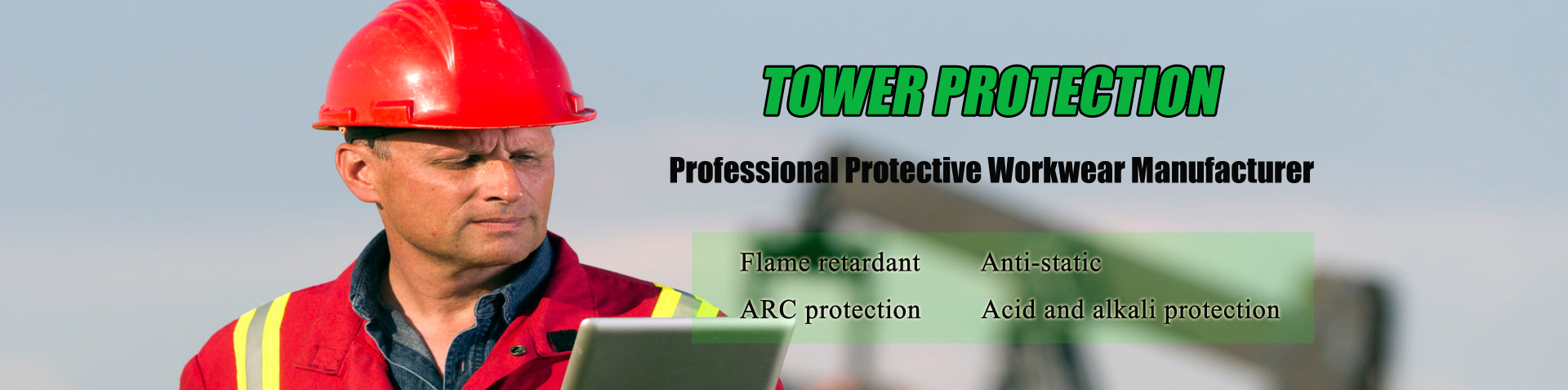
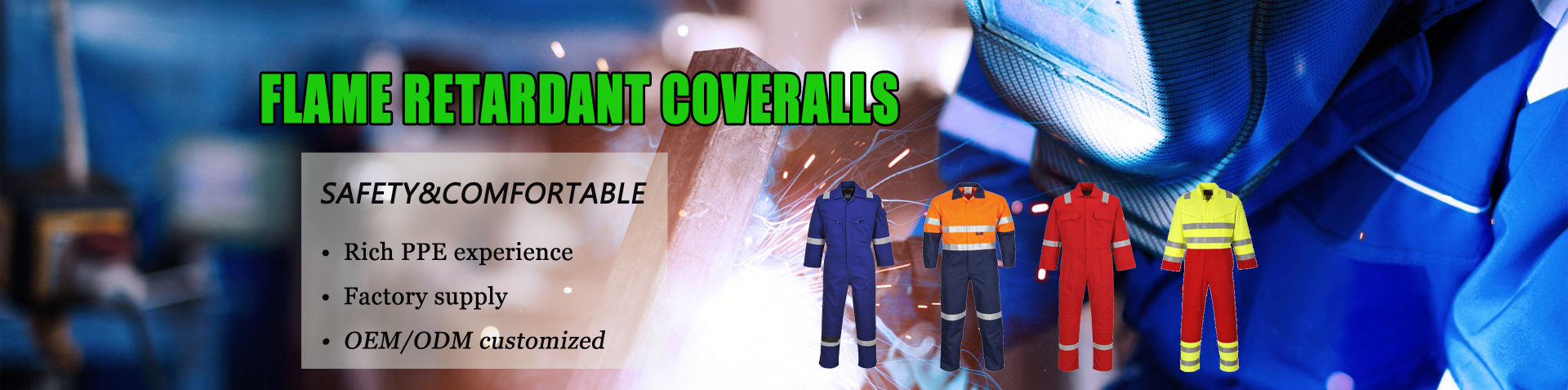
In welding operations, workers are exposed to hazards such as sparks, molten metal spatter, and brief flame contact. Protective workwear for welders must therefore offer flame resistance, resistance to molten metal penetration, and a degree of thermal insulation. Xinxiang Chuangwei Garment Co., Ltd., as a manufacturer of functional protective clothing, has been supplying welding-specific workwear to industrial clients for years.
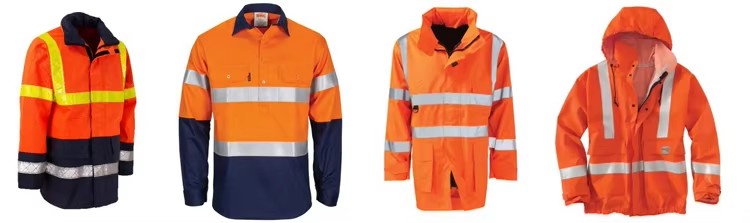
The company’s welding protective garments are primarily made from flame-resistant (FR) cotton-based fabrics, including 100% cotton, CVC (cotton-polyester blend), and cotton-nylon blends. Fabric weights typically range from 280g/m² to 450g/m², balancing protection and wearer comfort. Flame resistance is achieved through durable chemical finishing processes, mainly CP (tetrakis(hydroxymethyl)phosphonium chloride) or Proban® technology, which enables the fabric to self-extinguish upon ignition.
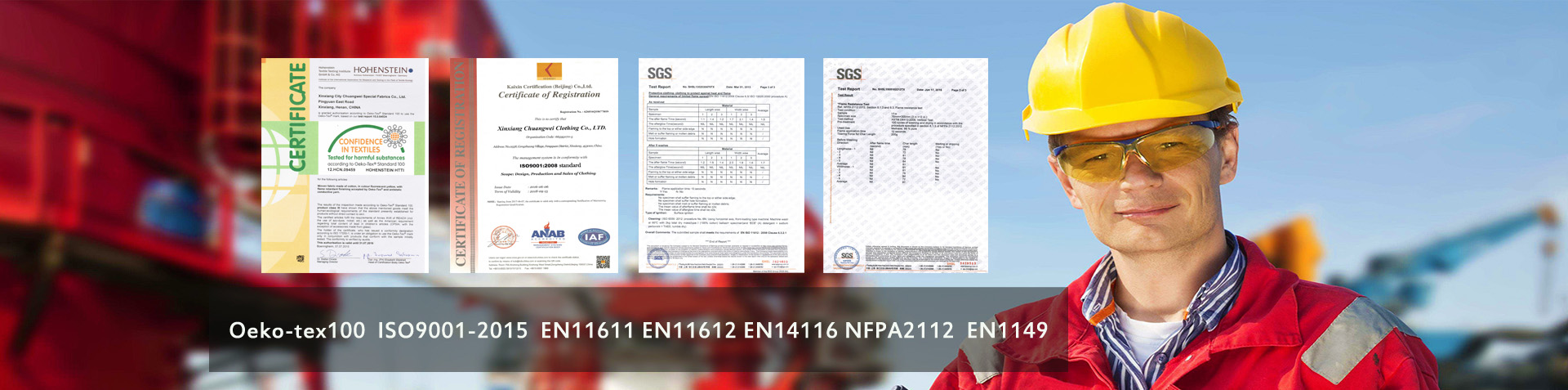
To verify performance, samples are tested by third-party laboratories such as SGS and TUV. Current welding garments have demonstrated compliance with EN ISO 11611:2015 (formerly EN 470), the European standard for protective clothing used in welding and allied processes. This standard evaluates resistance to molten metal spatter, limited flame spread, and heat transmission.
During garment assembly, Chuangwei Garment uses industrial sewing equipment—including overlock machines, double-needle machines, and reinforced stitching—to avoid synthetic threads that may melt under high heat. Key stress areas are reinforced to enhance durability. All finished products undergo visual inspection, dimensional checks, and basic functional verification before shipment.
It should be noted that the effectiveness of welding protection depends on multiple factors, including fabric type, garment design, welding method (e.g., arc welding, MIG/TIG), and maintenance practices. Users are advised to select appropriate protection levels based on their specific welding process and replace garments showing signs of damage or heavy contamination.
 Contact
 Product
 Online